Many Property Managers Are Drowning In Admin Work
Most property managers do not struggle with demand.
Instead, they struggle with administrative overload.
A leasing inquiry arrives while a tenant submits a maintenance request. Meanwhile, a vendor calls about a repair estimate. Later that afternoon, another renter asks about lease terms while the office prepares move-in paperwork.
Each request seems small.
However, dozens of small tasks quickly overwhelm a property management team.
Leasing emails, tenant messages, vendor communication, maintenance tracking, and scheduling updates often fill the entire day.
Because of that workload, property managers spend less time on growth.
Important activities like expanding portfolios, improving tenant retention, and securing new owners often get delayed.
Many companies now reduce this administrative pressure by implementing automated executive assistants. If you want to see how this works, you can download the free AI operations automation guide for property managers.
Administrative Work Quietly Limits Portfolio Growth
Consider a property management company overseeing 120 rental units.
Each day may include tenant questions, lease updates, maintenance coordination, vendor communication, and scheduling requests.
Even small tasks accumulate quickly.
If administrative work consumes three extra hours each day, managers lose 15 hours every week.
Across a year, that equals over 700 hours of administrative workload.
That time could instead focus on:
• acquiring additional property owners
• improving tenant retention
• increasing operational efficiency
However, manual workflows prevent that shift.
An AI executive assistant removes much of this administrative burden.
Instead of manually processing every task, automation manages routine communication, updates, and scheduling.
AI Executive Assistants Organize Daily Operations
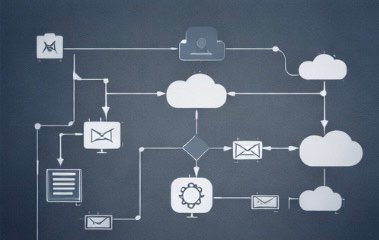
An AI executive assistant functions as an operational coordination system.
Incoming tenant requests are organized automatically. Meanwhile, vendor communication can be tracked and routed to the correct team member. At the same time, leasing inquiries remain structured and easy to manage.
Administrative workflows become centralized.
Instead of juggling multiple inboxes and spreadsheets, the property management team works from organized systems.
Because the assistant processes requests continuously, nothing sits unanswered.
Managers gain time to focus on higher-value responsibilities.
If you want to see how this improves property management workflows, you can see how this automation system organizes daily operations for property managers.
Many Property Managers Lose Time To Repetitive Tasks
Routine administrative work rarely requires strategic decision making.
Examples include:
• responding to common tenant questions
• scheduling maintenance visits
• confirming lease details
• sending reminders about payments or inspections
Although each task is simple, together they consume large amounts of time.
Human staff often repeat the same communication dozens of times every week.
An AI executive assistant automates these repetitive processes.
Requests are categorized automatically. Meanwhile, responses follow predefined workflows. Additionally, schedules update without manual input.
Because of that structure, the team spends less time managing routine activity.
Operational Stability Improves As Companies Scale
Human sounding communication maintains professional tenant interactions. Extended coverage allows property management teams to respond to inquiries beyond standard office hours. Immediate deployment eliminates onboarding delays. Automated workflows remove retraining cycles. Continuous operation also prevents downtime caused by sick days or staff turnover.
These advantages create operational stability for growing property management companies.
Instead of constantly hiring administrative staff, managers gain systems that scale with their portfolio.
Because of that stability, growth becomes easier to manage.
If Your Team Is Spending Too Much Time On Admin Work
Property management companies focused on growth benefit from reducing administrative friction.
Most teams already have the demand needed to grow.
However, inefficient workflows slow expansion.
AI executive assistants remove that bottleneck.
Instead of increasing payroll, automation handles repetitive operational tasks while the team focuses on strategy and client relationships.
If you want to improve how your company manages daily operations, you can see how this executive assistant system organizes property management workflows, explore examples through see how service businesses improve operational efficiency, or start implementing an AI executive assistant workflow for your property management company today.