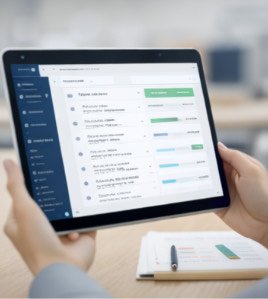
Most HVAC Owners Are Buried In Office Work
Many HVAC companies struggle with one hidden problem.
Administrative overload.
A homeowner calls about a repair while a technician needs a dispatch update. Meanwhile, another customer sends a message asking about an estimate. Later that afternoon, someone requests a maintenance appointment while the office processes invoices.
Each task looks small.
However, dozens of tasks quickly fill the day.
Dispatch updates, scheduling confirmations, estimate follow-ups, maintenance reminders, and customer questions often pile up.
Because of that workload, owners spend less time growing the business.
Sales conversations, technician development, and marketing strategy often get delayed.
Many HVAC companies now solve this operational pressure by installing automated executive assistants. If you want to see how this works, you can download the free AI operations automation guide for HVAC companies.
Administrative Work Quietly Limits Growth
Consider an HVAC company running six service trucks.
Each day includes customer scheduling, technician dispatch updates, maintenance reminders, invoice follow-ups, and estimate tracking.
Administrative work grows as service volume increases.
If office tasks consume four hours each day, the business loses 20 hours per week.
Across a year, that equals over 1,000 hours of administrative workload.
That time could instead support:
• hiring additional technicians
• improving service efficiency
• increasing installation revenue
However, manual workflows prevent that shift.
An AI executive assistant removes much of this operational pressure.
Instead of manually handling every message or update, automation manages routine communication and scheduling tasks.
AI Executive Assistants Organize Daily Operations
An AI executive assistant functions as an operational coordination system.
Incoming customer requests are organized automatically. Meanwhile, technician scheduling can update in real time. At the same time, estimate follow-ups and maintenance reminders remain structured and visible.
Administrative workflows become centralized.
Instead of juggling calls, texts, and emails across multiple systems, the team works from a coordinated process.
Because the assistant organizes information automatically, office teams spend less time managing routine activity.
Managers gain time to focus on revenue-producing work.
If you want to see how this improves HVAC operations, you can see how this automation system organizes daily HVAC scheduling and communication.
Repetitive Office Tasks Slow Down Service Businesses
Many office responsibilities repeat daily.
Examples include:
• confirming service appointments
• updating dispatch schedules
• following up on repair estimates
• sending maintenance reminders
Each task requires attention.
However, most of them follow predictable patterns.
Human staff often repeat the same actions dozens of times each week.
An AI executive assistant automates these repetitive processes.
Requests are categorized automatically. Meanwhile, updates follow predefined workflows. Additionally, reminders and notifications send without manual effort.
Because of that structure, office teams reclaim valuable time.
Operational Stability Improves As Companies Grow
Human sounding communication maintains professional customer interactions. Extended coverage allows HVAC companies to respond to inquiries beyond standard office hours. Immediate deployment eliminates onboarding delays. Automated workflows remove retraining cycles. Continuous operation also prevents downtime caused by sick days or employee turnover.
These advantages create operational stability for growing HVAC companies.
Instead of constantly expanding office staff, owners gain systems that scale with service demand.
Because of that stability, growth becomes easier to manage.
If Your Office Is Overwhelmed By Admin Work
HVAC businesses focused on growth benefit from removing operational friction.
Most companies already have strong demand for service.
However, inefficient workflows slow expansion.
AI executive assistants remove that bottleneck.
Instead of increasing payroll exposure, automation handles repetitive administrative tasks while the team focuses on service quality and revenue growth.
If you want to improve how your company manages daily operations, you can see how this executive assistant system organizes HVAC workflows, review examples through see how service businesses improve operational efficiency, or start implementing an AI executive assistant workflow for your HVAC company today.