Cleaning Businesses Grow Faster Than Their Admin Systems
Cleaning companies often grow quickly through referrals.
Satisfied homeowners recommend the service to friends. Property managers begin requesting move out cleaning. Meanwhile, real estate agents need last minute cleaning before showings.
As demand increases, scheduling becomes more complex.
Client appointments must be organized. Follow up messages must be sent. Recurring cleaning schedules must also be maintained.
Because of that workload, many cleaning business owners spend several hours each day managing administrative tasks.
However, administrative work does not directly generate revenue.
If a cleaning company owner spends two to three hours per day managing scheduling and follow ups, that equals 60 to 90 hours every month.
That time could instead be spent expanding crews, improving marketing, or increasing client capacity.
Many cleaning businesses now solve this problem with AI executive assistants. If you want to see how this works in practice, you can download the free AI operations automation guide for cleaning companies.
Administrative Work Expands With Every New Client
Each new cleaning client adds more operational work.
First, the appointment must be scheduled. Next, reminders must be sent before the cleaning visit. Meanwhile, follow up messages must be sent after service.
Recurring clients require even more coordination.
Weekly or biweekly cleaning schedules must remain organized. Rescheduling requests also need to be handled quickly.
Because these tasks happen constantly, office teams often become overwhelmed.
Many cleaning companies attempt to solve this challenge by hiring additional office staff.
However, payroll costs increase immediately. Training new employees requires time. If someone leaves the company, the hiring process must begin again.
An AI executive assistant solves the problem differently.
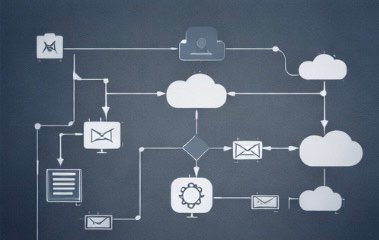
Instead of relying on manual administrative work, the system automates scheduling updates, reminders, and follow ups.
Multiple workflows run simultaneously without slowing down operations.
Because the system operates continuously, scheduling systems remain organized.
There are no onboarding delays and no retraining cycles. Cleaning businesses also avoid disruptions caused by sick days or employee turnover.
A Simple Example Of Administrative Cost
Consider a cleaning company paying an office coordinator $48,000 per year including payroll taxes and benefits.
A large portion of that employee’s time may be spent confirming appointments, responding to scheduling questions, and sending follow up messages.
Many of those tasks can be automated.
An AI executive assistant can manage those workflows automatically.
Instead of expanding payroll costs, many companies implement AI systems that cost significantly less than full time staff.
That change allows cleaning business owners to reinvest resources into hiring additional cleaning crews or expanding service areas.
If you want to see how cleaning companies automate these workflows, you can see how this system manages cleaning schedules, reminders, and client follow ups automatically.
Automation Improves Client Retention
Consistent communication plays a major role in client retention.
Appointment reminders help reduce cancellations. Follow up messages allow companies to check customer satisfaction. Maintenance reminders encourage repeat bookings.
For example, automated reminders can prompt homeowners to schedule monthly or seasonal deep cleaning services.
Because of that system, cleaning companies maintain stronger relationships with clients.
Automation helps maintain communication without increasing administrative workload.
Operational Stability Helps Cleaning Businesses Scale
Human sounding conversations maintain professional customer communication. Extended hours coverage allows cleaning companies to respond to client requests outside office hours. Rapid deployment eliminates onboarding delays. Consistent workflows remove retraining cycles. Continuous automation also prevents downtime caused by sick days or employee turnover.
Because of those advantages, cleaning companies gain a stable operational system.
If Administrative Work Is Slowing Your Cleaning Company
Cleaning businesses focused on growth often reach a point where operations become difficult to manage manually.
Scheduling appointments, sending reminders, and following up with clients all require time.
When administrative tasks overwhelm the team, expansion becomes difficult.
Instead of expanding payroll exposure, many cleaning companies implement AI executive assistants to stabilize operations and automate daily workflows.
If you want to improve how your cleaning company manages scheduling and customer communication, you can see how cleaning companies automate administrative workflows using AI systems, review examples through see how service businesses improve operational efficiency with automation, or start implementing an AI executive assistant workflow for your cleaning company toda.