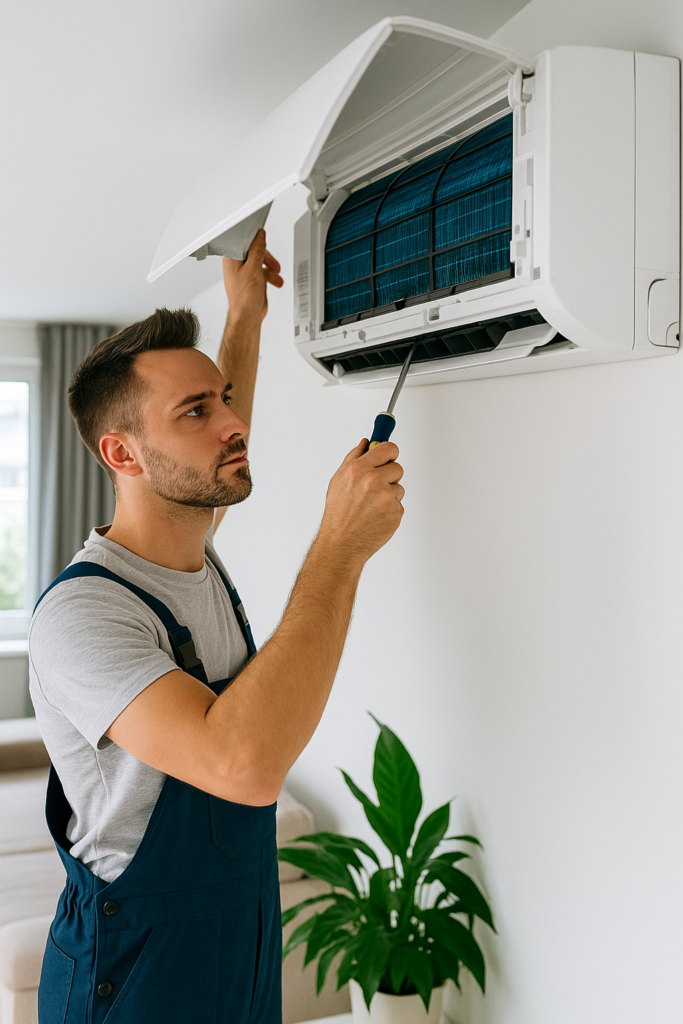
This is for HVAC owners already thinking about AI
Many HVAC owners already know the problem. Calls come in while techs are on jobs. Office staff get overwhelmed. Meanwhile, new customers hang up fast.
Because response speed matters, the first company to answer usually wins the job. A slow reply can cost thousands in lost service work.
If you are already looking at automation, this guide focuses on results. Instead of theory, it shows how an AI receptionist protects your schedule.
See how HVAC companies capture more booked jobs without hiring more staff
Fast response builds trust with homeowners
Homeowners often call multiple companies at once. They want help now, and want clear answers. They want to feel heard.
An AI receptionist answers right away. That quick greeting reduces frustration. Prospects stay on the line longer.
Because the system gathers job details during the call, your team starts with full context. At the same time, techs stay focused on repairs instead of missed calls.
A real scenario HVAC owners recognize
Picture a hot summer afternoon. Your team runs behind schedule. New customers call about broken AC units.
Without automation, some calls go to voicemail. Others get rushed answers. Many prospects move to the next company.
With an AI receptionist, every call gets handled calmly. The system asks about system type, urgency, and location. Then it offers available service windows based on your calendar.
Because scheduling happens instantly, fewer leads fall through the cracks.
Operational stability that removes stress
Consistency matters when call volume spikes. A human-sounding AI receptionist gives the same professional experience every time.
There are no sick days, and is no turnover. There is no training delay when business grows.
Extended hours become possible because automation works beyond office time. Late-night emergency calls still receive support.
That stability helps HVAC owners grow without worrying about staffing gaps.
See real examples of service companies using automation to stay consistent
Pricing ranges explained with real ROI thinking
Hiring a full-time office assistant often costs $3,000 to $5,000 per month after taxes and overhead. Training adds more hidden costs.
AI receptionist solutions usually scale based on call volume and workflow needs. Smaller HVAC teams start simple. Larger companies expand as demand grows.
Closing just a few extra service calls each month can cover the system cost. Because every answered call turns into a potential job, automation protects revenue that would otherwise disappear.
Instead of guessing on payroll, owners gain predictable spending tied to growth.
What the AI receptionist actually handles
First, inbound calls get answered instantly. Next, common HVAC questions receive clear responses. After that, the system books appointments directly into your calendar.
Maintenance inquiries get routed properly. Emergency calls get flagged fast. New customers receive structured intake questions.
Because workflows stay consistent, your team spends less time managing phones and more time finishing jobs.
Who benefits the most from this setup
Small HVAC teams juggling installs and repairs often see fast improvements. Growing companies running paid ads gain stronger lead coverage.
Seasonal businesses appreciate stable call handling during busy months. Owners who want predictable operations find relief from constant phone interruptions.
Because the system mirrors how your company already works, adoption feels simple.
Implementation feels clear and manageable
First, map out how calls currently flow. Next, connect your scheduling system. Then test conversations before going live.
Because automation follows your existing process, the transition feels natural. Small adjustments help refine performance over time.
As a result, owners stay in control while automation handles repetitive tasks.
Decision clarity for HVAC owners ready to scale
If missed calls already cost jobs, waiting longer increases the gap. Companies that implement AI receptionists often stabilize operations faster.
The goal is not replacing your team. The goal is removing friction so every customer gets help quickly.
When conversations start immediately, more service calls turn into real revenue.
See how this could help your HVAC business book more calls starting this month