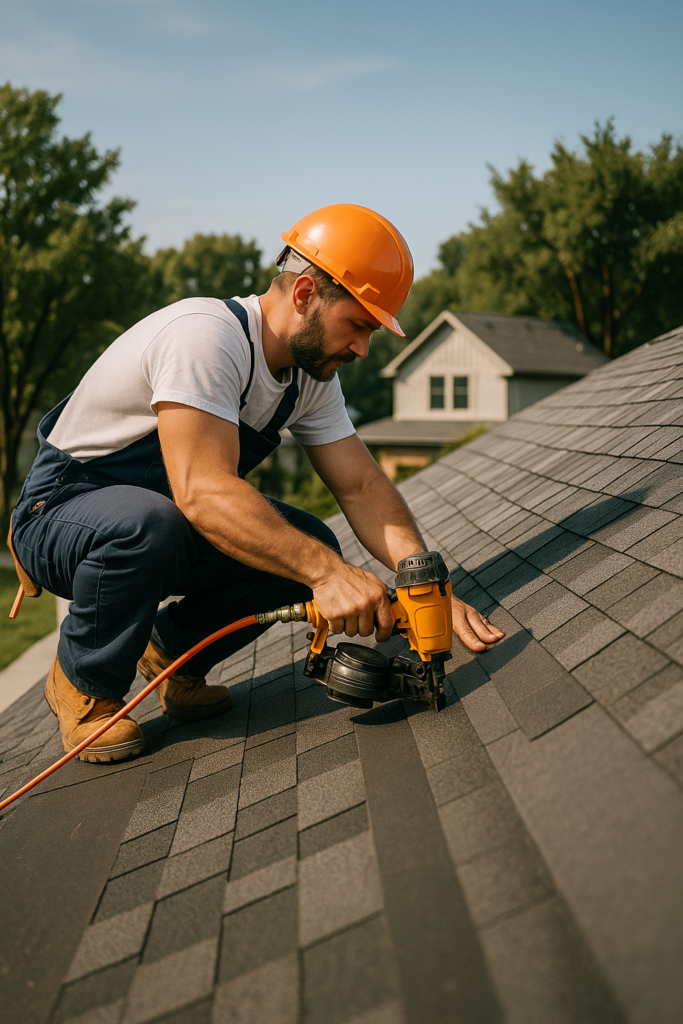
Why Roofing Companies Lose High-Intent Calls
Many roofing companies invest heavily in Google Ads, referrals, and storm marketing. However, missed calls still cost real inspections and insurance claims. When a homeowner needs a roof inspection, they rarely wait long. Because urgency drives decisions, the first company to answer often wins the job.
This article is written for roofing owners already considering automation. Instead of basic education, the focus stays on decision-stage thinking and implementation. Therefore, the goal is simple. Protect every inbound lead before competitors respond.
Real Pricing vs Hiring Another Office Coordinator
Some roofing companies consider hiring another admin to handle call volume. Payroll, taxes, training time, and turnover can push monthly staffing costs into the $3,500 to $5,500 range depending on experience and hours.
AI receptionist systems usually operate within flexible pricing ranges based on call volume and automation features. Smaller teams may stay within lower monthly tiers, while larger roofing crews scale upward as storms increase demand. Because pricing connects to usage, growth feels predictable instead of risky.
Many owners find that one additional roof replacement per month can offset most automation costs.
What Changes When Every Roofing Call Gets Answered
First, callers hear a clear and professional greeting. Next, the system collects details such as roof type, storm damage, and inspection timing. After that, structured information flows into your workflow, which saves hours of back-and-forth follow-ups.
Because conversations stay consistent, homeowners feel confident moving forward. At the same time, crews avoid constant interruptions while working on job sites. As a result, teams focus on revenue-producing work instead of chasing missed voicemails.
Over time, faster response speed often increases inspection bookings without raising marketing budgets.
Operational Stability Advantages Roofing Owners Notice
Consistency becomes the main reason many roofing businesses switch. Conversations sound natural, which builds trust quickly. Coverage also extends into evenings and weekends without overtime pay.
There is no onboarding delay during busy storm seasons. Owners avoid retraining cycles when office staff leave. Sick days or sudden absences no longer affect inbound calls. Since automation runs continuously, lead flow stays protected during peak demand.
For many roofing companies, stability feels like upgrading infrastructure rather than adding another employee.
Real Scenario: Storm Damage After Hours
Imagine a homeowner calling after a storm looking for an emergency inspection. Without an answer, that lead moves to another roofer instantly. With an AI receptionist, the system gathers location, urgency, and contact details before routing the request to your team.
Because the process feels smooth, homeowners stay engaged instead of calling competitors. Over time, companies build a more predictable pipeline from calls that used to be lost.
Who This Works Best For
Storm-focused roofing companies often see the fastest results. Businesses running paid ads or managing large referral networks usually experience sudden call spikes. Smaller teams also benefit because the phone keeps working even when everyone is on a roof.
Even new contractors notice improvement. When every call gets captured, inspection scheduling becomes more organized and consistent.
Common Objections Roofing Owners Have
Some owners worry automation will sound robotic. However, modern systems prioritize natural conversation flow. Others think setup will disrupt their operations. In practice, many roofing companies begin with simple inbound intake and expand later.
Another concern involves losing the personal touch. Scripts can match your company’s tone, which keeps conversations aligned with your brand.
ROI Thinking Instead of Guesswork
Many roofers track inspection requests versus closed projects. Faster response times often increase conversion rates without increasing ad spend. Over time, automation becomes a tool for protecting revenue instead of replacing staff.
Waiting too long usually means losing storm leads to faster competitors.
If you want to understand how consistent call handling can protect incoming inspections, you can see how this works for roofing businesses
Implementation Without Disrupting Your Workflow
Setup usually connects to your existing phone system and scheduling tools. Scripts focus on inspections, repairs, and insurance-related inquiries. Because the framework already fits service industries, onboarding feels structured from day one.
As call volume grows, reporting shows which conversations convert into booked inspections. That insight helps refine your process and improve close rates.
Decision Clarity for Roofing Companies Considering AI Receptionists
Roofing growth depends on speed and reliability. When every caller receives immediate attention, marketing investments finally produce stronger results. Over time, predictable lead flow helps owners plan hiring, expansion, and equipment purchases with confidence.
Clear reporting also shows which project types generate the most demand. That visibility supports smarter sales and scheduling decisions.
Many roofing companies wait until missed calls become obvious problems. Yet early adoption often protects more opportunities before competitors adjust.
To explore how service businesses improve response speed and revenue consistency, you can review real performance outcomes here
Every improvement starts with one simple step.
When you feel ready to explore how this could fit your operation, you can start a conversation about your setup here