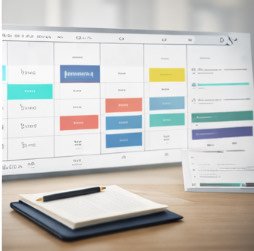
Patient schedules change all day
Appointments move often.
Cancellations appear without warning.
Because healthcare runs on tight timelines, even small changes create stress.
As a result, staff spend hours fixing calendars instead of helping patients.
If scheduling already feels overwhelming, this system was built for that exact problem.
🔗 See how this supports your healthcare workflow
Manual scheduling creates confusion
Notes live in many places.
Reminders get forgotten.
Because updates happen quickly, teams lose track of details.
As a result, patients wait longer for responses.
An AI executive assistant keeps order
The system watches schedules quietly.
It tracks updates automatically.
Because every change gets logged, teams stay organized.
As a result, daily operations feel calmer.
Patients receive timely reminders
Some forget appointments.
Others miss follow-up visits.
Because reminders send at the right moment, fewer gaps appear in the calendar.
As a result, schedules stay full.
Staff avoid repetitive admin work
Emails need sorting.
Messages need tracking.
Because automation handles small steps, teams regain focus.
As a result, patient care improves.
If scheduling already pulls your attention away from patients, ignoring the problem will not reduce the workload.
Structure helps your team stay present while tasks stay organized.
🔗 See how healthcare scheduling stays structured automatically
Clear task tracking improves teamwork
Everyone sees what comes next.
Deadlines feel easier to manage.
Because tasks stay visible, communication improves naturally.
As a result, fewer steps get missed.
Follow-ups feel more consistent
Some patients need check-ins.
Others need reminders after visits.
Because timelines stay organized, outreach feels smooth.
As a result, relationships grow stronger.
Leaders gain better visibility
Manual tracking hides patterns.
Automation shows trends clearly.
Because reports update automatically, planning becomes easier.
As a result, decisions happen faster.
Works alongside the AI receptionist
The receptionist answers new calls live.
The executive assistant manages everything after.
Because both systems connect, workflows feel seamless.
As a result, teams avoid duplicate work.
Healthcare teams protect their energy
Constant admin tasks create pressure.
Structure creates balance.
Because repetitive steps move into automation, teams feel less overwhelmed.
As a result, consistency improves.
If even one follow-up task slipped through this week, that patient may already feel ignored.
Waiting longer does not reduce admin work. It only increases stress.
🔗 See how admin workflows stay organized automatically
Built for real healthcare environments
Every clinic works differently.
Flexibility matters.
Because the assistant adapts to workflow patterns, teams stay comfortable.
As a result, adoption feels simple.
Patient experience improves naturally
Clear communication builds trust.
Fast updates reduce confusion.
Because schedules stay organized, visits feel more prepared.
As a result, satisfaction rises.
Long-term value for growing practices
Hiring more admin staff increases costs.
Automation adds structure without complexity.
Because tasks move quietly in the background, growth feels steady.
As a result, leaders plan confidently.
Predictable workflows support expansion
Missed steps slow progress.
Clear systems create momentum.
Because everything stays tracked, scaling becomes easier.
As a result, operations stay consistent.
Staff focus on care again
Healthcare teams support people.
Automation supports the process.
Because admin noise fades, patient interaction improves.
As a result, service quality rises.
If scheduling and admin work already slow your day, adding more manual steps will only increase pressure.
Structured reminders and organized workflows help healthcare teams stay focused on care.
🔗 Discover how this improves healthcare admin flow 🔗 Review performance outcomes from service teams 🔗 Start a conversation about your current workflow