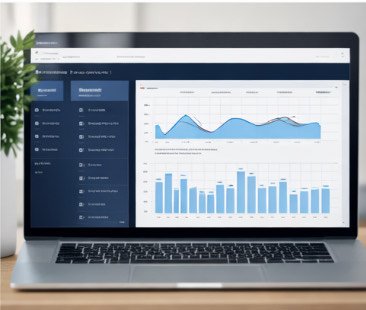
Administrative Work Slows Clinic Operations
Healthcare clinics often experience administrative overload as patient volume increases.
Patients call to schedule appointments. Others need follow-up reminders after visits. Meanwhile, front desk teams coordinate insurance information, referrals, and paperwork. Because of that workload, administrative delays begin slowing daily operations.
If you are researching an AI executive assistant, you likely recognize the situation. The clinic continues growing, yet scheduling and communication tasks begin consuming more staff time.
Instead of hiring another administrative employee immediately, many clinics install AI executive assistants to organize operational workflows automatically. If you want to see how this works for healthcare clinics today, you can see how this organizes patient scheduling and follow-up workflows automatically.
Hiring Administrative Staff Expands Overhead
Hiring another receptionist or coordinator may appear to fix the issue.
However, payroll increases immediately. In addition, onboarding requires training time so new staff understand scheduling software, insurance processes, and patient communication protocols. Eventually, turnover forces the hiring cycle to repeat again.
Administrative workloads also fluctuate. Some days include large volumes of appointment requests. Other days involve follow-up communication and documentation. Because of that variability, staffing often becomes inefficient.
An AI executive assistant approaches the challenge differently.
First, the system organizes scheduling requests automatically. Next, it manages patient follow-up communication and administrative tasks. In addition, it handles several workflows at the same time. Meanwhile, no onboarding delays slow implementation. Likewise, retraining cycles never interrupt operations. Most importantly, no sick days or turnover risk disrupt workflow continuity.
Because of that reliability, operational stability improves immediately.
A full time administrative employee often costs several thousand dollars each month once payroll taxes and benefits are included. In comparison, AI executive assistant systems operate within flexible pricing ranges tied to operational workload. As a result, improved organization and patient communication can quickly offset the investment.
Efficient Workflows Improve Patient Scheduling
Many clinics assume they must hire more staff to grow.
However, administrative inefficiencies often limit clinic capacity before staffing becomes the main issue.
When scheduling workflows remain organized, staff spend more time assisting patients and less time managing administrative backlogs. Consequently, patient flow improves without expanding payroll.
AI executive assistants support this process by organizing operational information quickly. They help track appointment requests, coordinate follow-ups, and maintain visibility across clinic workflows.
If you want to see how healthcare practices streamline administrative systems, you can see how this improves operational efficiency for healthcare clinics.
ROI: Payroll Versus Operational Efficiency
Clinic owners typically compare two options.
One option involves hiring additional administrative staff. That approach increases payroll expenses and operational complexity.
The other option involves installing automated operational support infrastructure. That approach improves organization without expanding overhead.
Even small improvements in administrative efficiency can create meaningful financial benefits. For example, smoother scheduling workflows allow clinics to accommodate additional patient visits each week.
Human sounding communication maintains professional interactions. At the same time, extended operational coverage supports scheduling workflows. Meanwhile, no onboarding delays allow rapid deployment. Additionally, retraining cycles never interrupt administrative processes. Finally, the system operates continuously without downtime caused by illness or employee turnover.
Because of these advantages, operational reliability improves significantly.
What Clinic Owners Experience When Admin Work Is Organized
Clinic owners often spend large portions of their day handling administrative tasks.
First, they review scheduling requests. Next, they coordinate follow-ups and patient communication. Finally, they track operational workflows across the clinic.
When AI executive assistants organize these processes, owners regain operational visibility. Consequently, the clinic runs more efficiently. As a result, scaling patient volume becomes easier.
Operational Stability For Growing Healthcare Clinics
Human sounding communication supports patient interactions. In addition, extended operational coverage protects scheduling workflows. Furthermore, rapid deployment eliminates onboarding delays. Likewise, consistent processes remove retraining cycles. Finally, continuous operation eliminates disruptions caused by sick days or employee turnover.
Because of that stability, clinics maintain reliable operational systems.
If Administrative Work Is Slowing Clinic Growth
Healthcare clinics focused on expansion often discover that administrative complexity limits growth before patient demand does.
Instead of expanding payroll exposure immediately, many clinics install AI executive assistants to stabilize operations and improve efficiency. If you want to streamline scheduling and administrative work inside your clinic, you can see how this organizes clinic operations automatically, review proof through see how service businesses build scalable operational systems designed for growth, or start building your AI executive assistant workflow for your clinic now.