Healthcare teams handle many small tasks
Phones ring often.
Messages arrive all day.
Because patient care comes first, admin work builds quickly.
As a result, teams feel pulled in many directions.
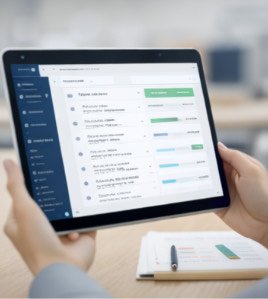
If follow-ups already live across notes, emails, and reminders, this system was built for that exact problem.
🔗 See how this supports your healthcare workflow
Patient follow-ups can fall behind
Some patients forget appointments.
Others wait for updates.
Because staff stay busy helping people, reminders get delayed.
As a result, schedules develop gaps.
Admin work slows daily operations
Front desks answer questions.
Managers track paperwork.
Because manual systems take time, energy disappears fast.
As a result, patient experience feels rushed.
An AI executive assistant keeps tasks moving
The system tracks timelines clearly.
It sends reminders at the right moment.
Because every step stays organized, nothing feels forgotten.
As a result, patient communication stays consistent.
Simple reminders improve attendance
Short messages help people remember.
Clear timing builds trust.
Because reminders go out automatically, fewer appointments get missed.
As a result, schedules stay full.
Follow-up calls feel more natural
Some patients need check-ins.
Others want quick updates.
Because the assistant tracks each interaction, outreach feels personal.
As a result, relationships grow stronger.
Clear notes help teams prepare
Messy records slow progress.
Organized details help planning.
Because updates get logged automatically, staff see what matters quickly.
As a result, appointments run smoother.
If follow-ups already take time away from patient care, waiting longer only adds pressure.
Simple automation helps your team stay organized while patients stay informed.
🔗 See how patient follow-ups stay structured automatically
Healthcare offices protect their focus
Constant reminders create stress.
Automation creates calm structure.
Because tasks move quietly in the background, teams focus on people.
As a result, daily workflow feels lighter.
Communication becomes more steady
Patients want clarity.
Short updates reduce confusion.
Because the assistant keeps messages simple, trust grows faster.
As a result, satisfaction improves.
Works with the AI receptionist
The receptionist answers new patient calls live.
The executive assistant manages everything after.
Because both systems connect, patient journeys feel smooth.
As a result, offices operate more efficiently.
Built for real patient behavior
People forget details sometimes.
They need gentle reminders.
Because the assistant sends helpful nudges, responses increase.
As a result, engagement stays high.
Long-term value for healthcare teams
This tool does not replace staff.
It removes repetitive admin work.
Because pressure drops, burnout lowers.
As a result, teams stay consistent during busy seasons.
Predictable admin flow supports growth
Missed follow-ups create confusion.
Clear systems create structure.
Because every interaction gets tracked, leaders see patterns quickly.
As a result, planning becomes easier.
Leaders gain better visibility
Manual tracking hides trends.
Automation reveals them.
Because notes stay organized automatically, scaling feels safer.
As a result, decisions happen faster.
Staff focus on care again
Medical teams support patients.
Automation handles reminders.
Because admin noise fades, patient interaction improves.
As a result, service quality rises.
If admin work already fills most of your day, adding more manual tracking will only increase pressure.
Structured reminders and organized follow-ups help your team stay focused on care.
🔗 Discover how this improves healthcare admin workflows 🔗 Review performance outcomes from service teams 🔗 Start a conversation about your current process