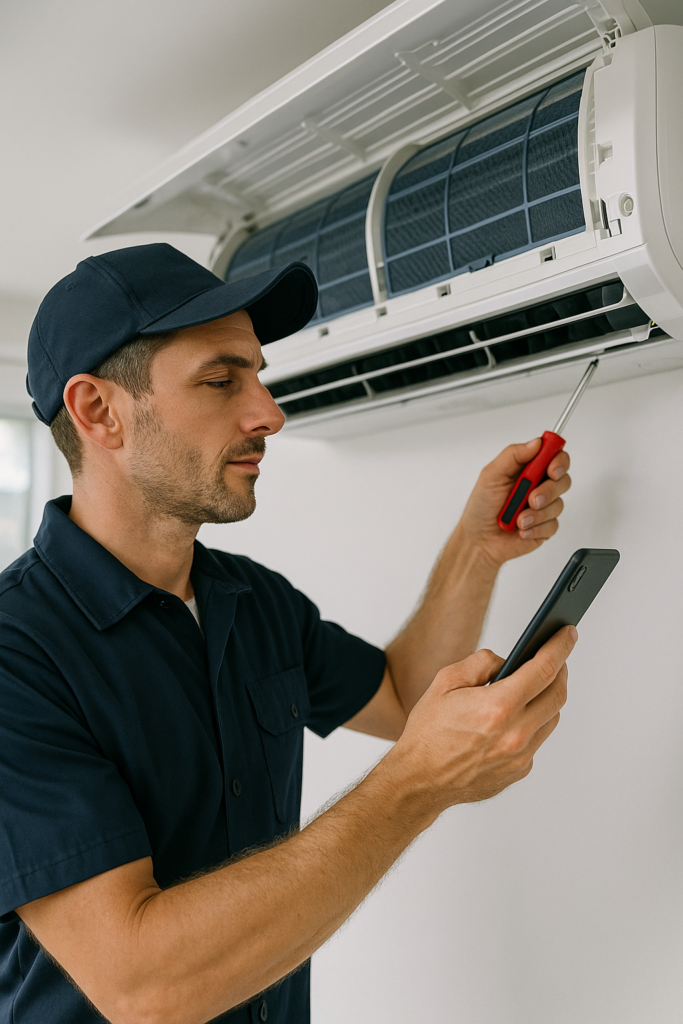
HVAC calls arrive when comfort is already gone
HVAC calls usually come when heat or cooling has failed, which means stress is already high for the homeowner.
Because comfort affects sleep, safety, and daily life, people expect an answer immediately when they call.
When a phone rings, urgency is real, and as a result patience disappears fast.
Missed calls lose HVAC jobs quickly
Most HVAC customers do not wait for callbacks, especially during extreme weather.
When a call goes unanswered, frustration builds, and because of that they move on to the next company without hesitation.
Over time, that pattern quietly drains revenue even when marketing stays strong.
Technicians cannot live on the phone
HVAC teams spend their days in attics, basements, and mechanical rooms, which makes phone coverage difficult.
At the same time, inbound calls keep coming, and because focus stays on service work, many calls get missed.
As a result, demand exists but never reaches the calendar.
What an AI receptionist changes immediately
An AI receptionist answers every inbound call the moment it comes in, removing voicemail and delay entirely.
Because the response is instant and calm, callers feel taken care of instead of ignored.
Instead of waiting, homeowners enter a guided conversation, and as a result trust starts forming right away.
Speed builds confidence during HVAC emergencies
Speed feels reassuring when systems fail unexpectedly.
For that reason, fast answers calm customers and reduce panic.
When someone hears a steady response quickly, confidence rises, and because of that shift they stay engaged.
Clear questions prevent wasted service calls
HVAC calls often start vague, which leads to mismatched expectations later.
To avoid that issue, the AI asks simple questions that clarify the problem early.
Because details get captured correctly, technicians arrive prepared and jobs run smoother.
Calls get routed with intent
Not every HVAC call is the same, since repairs, maintenance, and installs require different handling.
Because intent gets identified before routing, urgent issues move fast while routine jobs get scheduled properly.
As a result, teams stay focused and efficient.
Scheduling happens without back-and-forth
Manual callbacks slow momentum and frustrate homeowners who want help now.
When scheduling happens during the first call, commitment increases and drop-off decreases.
Since the AI guides booking smoothly, calendars fill faster and gaps disappear.
After-hours calls stay captured
HVAC problems do not respect business hours, especially during heat waves or cold snaps.
Because the AI runs 24/7, coverage never stops and late-night calls still convert.
As a result, competitors lose jobs simply because they are unavailable.
Call details stay organized automatically
Busy days blur memory, especially when multiple calls come in back-to-back.
Because humans forget details under pressure, notes often fall apart.
Since the AI logs every call automatically, records stay accurate and follow-ups improve.
Follow-ups happen without reminders
Many HVAC jobs stall after the first call when schedules fill up.
Because reminders trigger automatically, momentum stays alive without manual effort.
As a result, close rates improve and fewer leads slip away.
Consistent tone builds trust
Tone matters when customers feel uncomfortable in their own homes.
For that reason, calm and clear language builds confidence quickly.
Because scripts stay consistent, the business sounds professional every time.
Your HVAC brand looks more reliable
Perception shapes home service decisions more than pricing alone.
When calls are answered fast and routed smoothly, the company feels dependable.
As a result, homeowners feel safer choosing you.
Works with systems you already use
HVAC companies already rely on dispatch tools and CRMs that teams know well.
For that reason, the AI connects to existing systems instead of replacing them.
Because adoption feels easy, value shows up quickly.
Growth stops breaking the front end
Growth brings more calls before it brings more staff.
Since the AI scales instantly, pressure stays controlled even during peak seasons.
As a result, service quality stays high.
Where the executive assistant fits later
As HVAC volume grows, admin work increases behind the scenes.
Because invoices, emails, and follow-ups expand, internal load rises.
That is when the executive assistant layer comes in to stabilize operations.
If your HVAC company misses calls or struggles to book jobs quickly, it may be time to strengthen the front line.
Built for real HVAC conversations
This system mirrors how HVAC customers actually behave under stress.
Because of that alignment, conversations feel natural and effective.
Long-term value for HVAC owners
This approach does not replace technicians, but instead protects revenue flow.
When calls get handled correctly, stress drops and growth feels manageable.
If you want an HVAC business that never misses a call and stays booked during peak demand, now is the time.
🔗 View Service 🔗 See Result 🔗 Contact Us